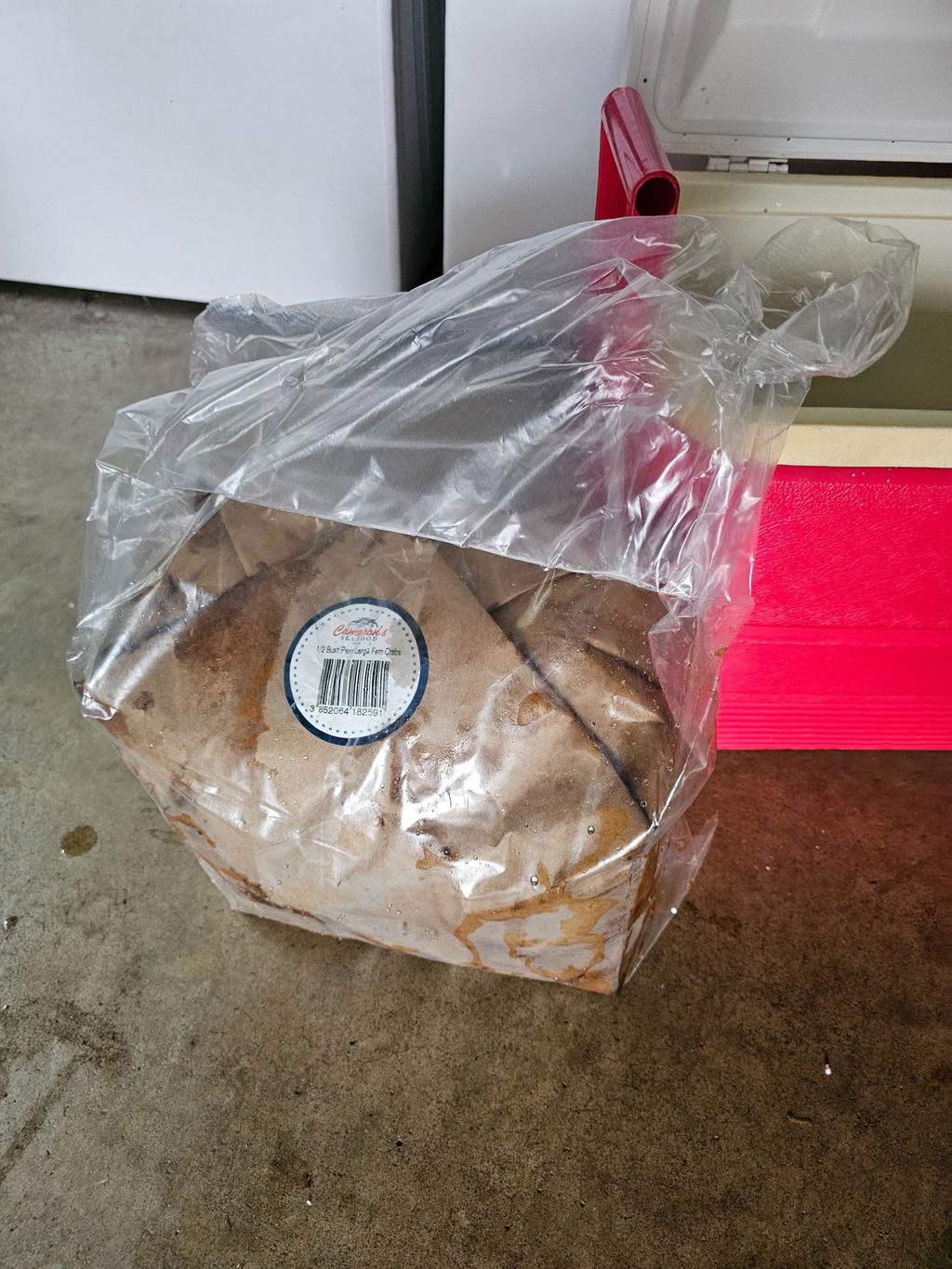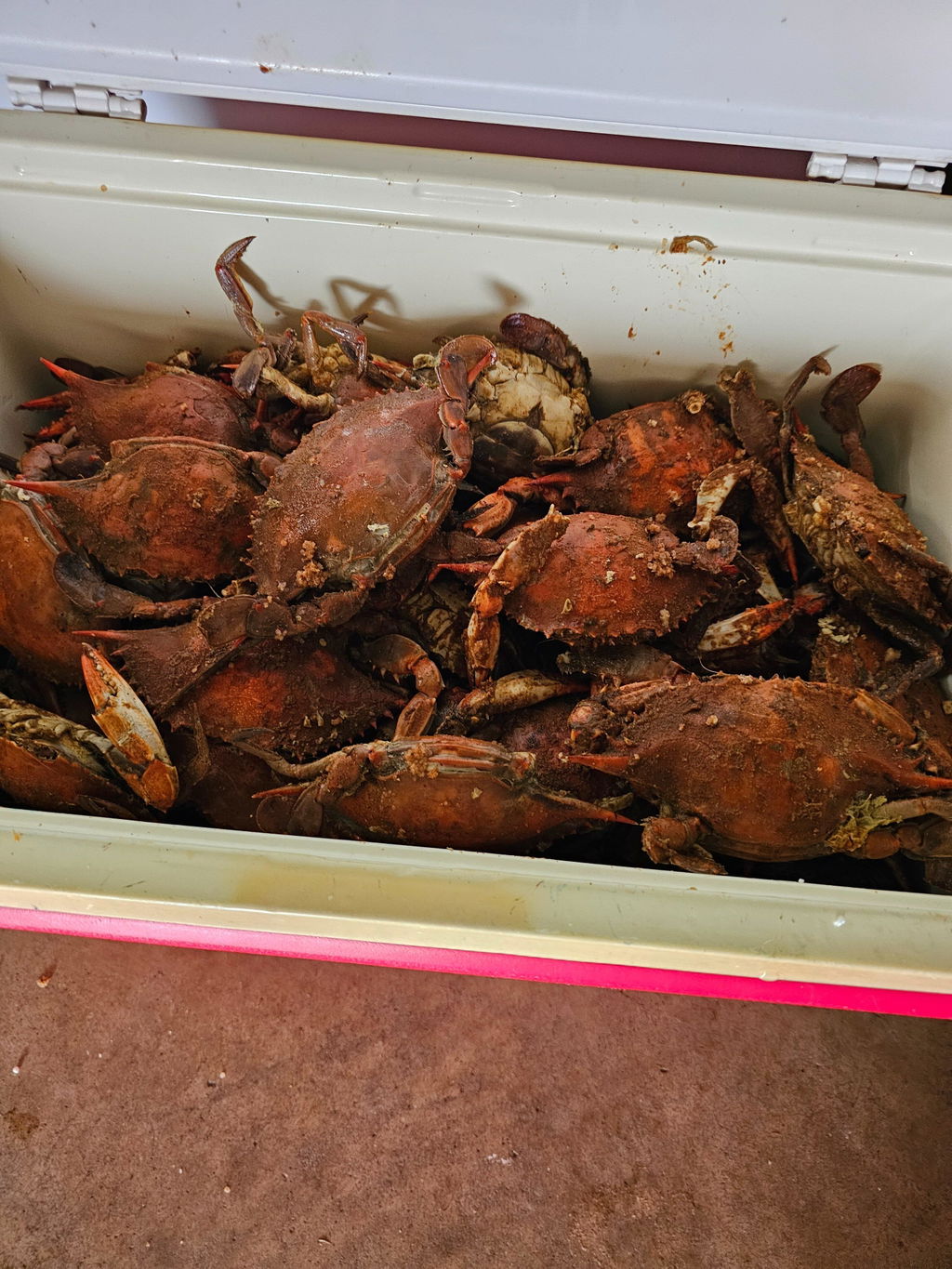


Now that you’ve ordered a bountiful box of Cameron’s Seafood, let's get that assortment of goodies properly stored! In this article, we’ll give you pointers on proper refrigerator and freezer storage so you can safely make the most out of your delicious seafood.

What's in the box?
We ship all of our seafood goodies in insulated coolers. Fresh items, like whole crabs, crab cakes, soups, and dips, ship with frozen gel packs to keep everything fresh and cool. Frozen items, like fish, crab legs, crab meat, and lobster tails, are shipped with dry ice to keep everything firmly frozen during transit. If you have an assortment of fresh and frozen seafood, we specifically arrange the coolers for ideal conditions, keeping the frozen goods frozen and the fresh products chilled. We put coolant equal to half of the product weight; twice the industry standard. We also stress tested all our packaging against heat, cold, drops, leakage and water damage to ensure your food arrives perfectly chilled and in the same condition as it left our facility.

Before your box arrives
Clear out some space in your freezer or refrigerator to house your seafood. Larger items, like crab legs, definitely need some storage space (these are some big, leggy legs). We recommend for refrigerated goods, clear out a section near the bottom of your refrigerator. This area is often the coolest and keeps your seafood separated from other ready-to-eat or raw products already in your fridge. For freezer storage, the back and bottom tends to be the coldest, we recommend clearing space there for best results.

Time & Temperature
Time and temperature are key for safely storing your seafood at home.
For refrigerated or thawed seafood, maintain a steady refrigeration temperature of 32°F to 38°F. You may want to invest in a thermometer for your refrigerator and freezer to properly monitor. If you are struggling to maintain that temperature range, place wrapped seafood (either in its cryo-vac wrapping or placed in zipper baggies) on top of a casserole dish or baking dish of ice. Replace the ice once it has begun to melt and try to keep your seafood out of the melting ice water. We like putting a baking sheet in between our ice and seafood.
For frozen seafood, maintain a steady freezer temperature of 0°F or below. Try not to stack your seafood. Rather, laying or storing them out in a single layer for maximum contact with the cold, freezer air. To protect your seafood from freezer burn, keep your seafood either in it’s shipped baggie (cryo-vac) or thoroughly plastic wrapped *and* zipper bag stored.
Consume refrigerated or thawed seafood within 2 to 3 days.
Consume frozen seafood within 4 months.
And, thaw frozen items in the refrigerator. Do not thaw at room temperature.
Make a plan
Now that you have learned how to store seafood at home, make a plan for when your seafood arrives and when you plan on using it. If you are not planning on using your seafood within those 2 to 3 days, store it in the freezer immediately (once your box arrives) for safe keeping.

Buy Seafood Online—and cook good food at home!
Thank you for choosing Cameron’s Seafood as your seafood source. We pride ourselves on being an industry leader in safety, quality, and freshness. As we say, ‘from the shore to your door, 3 days fresher than the grocery store’-all of our seafood is delivered right to your door when you schedule it, guaranteed! That's a convenience you need, especially for safe meal prepping and planning.
If you have any questions about our seafood or shipping procedures, check out our online FAQ page or contact us here. If you are interested in learning more about how we source our seafood check out this link and explore our quality processes.